
In today’s rapidly advancing technological landscape, radar technology has become an indispensable core tool across numerous industries. Whether in weather monitoring, autonomous driving, military defense, or industrial inspection, radar plays a vital role due to its efficiency, accuracy, and versatility. This article provides an in-depth analysis of how an ideal radar system meets diverse application needs and explores its key advantages in detail.
High Efficiency
Modern radar systems excel in performance efficiency, demonstrated in the following aspects:
- Rapid Response Capability: Capable of completing target detection and data processing in extremely short timeframes, enhancing real-time decision-making efficiency.
- Low Power Consumption Design: Utilizes advanced semiconductor technology and optimized algorithms to significantly reduce energy consumption, making it especially suitable for long-term unattended applications.
- Intelligent Automation: Equipped with built-in smart algorithms for autonomous operation, minimizing the need for manual intervention.
Accurate Detection
Precision is the core value of radar technology, which includes:
- High-Resolution Imaging: Leverages technologies such as Synthetic Aperture Radar (SAR) to achieve centimeter-level accuracy in target identification and imaging.
- Multi-Target Tracking: Capable of simultaneously monitoring and updating the movement status of hundreds of targets in real time, ensuring comprehensive and continuous data coverage.
- Strong Anti-Interference Capability: Employs frequency agility and advanced signal processing techniques to ensure stable operation in complex electromagnetic environments.
Versatile Application Scenarios
Advanced radar systems are highly adaptable and widely used in the following fields:
- Weather Monitoring: Accurately predicts meteorological changes such as rainfall and storms, providing critical data support for disaster early warning systems.
- Traffic Management: Applied in intelligent transportation systems to monitor traffic flow in real time and assist autonomous vehicles with precise navigation.
- Security Protection: Enables high-precision intrusion detection and target identification in key areas such as borders and airports.
- Scientific Research: Used in geological exploration, astronomical observation, and other scientific fields to advance human understanding of the natural environment.
Conclusion
In summary, radar systems that integrate efficiency, accuracy, and versatility are not only major achievements in technological evolution but also powerful tools for addressing diverse real-world challenges. An all-in-one platform reduces the integration burden on the operator: one sensor covers search, tracking, and identification, and one command interface handles configuration, alarms, and recording. As artificial intelligence continues to integrate deeply with radar technology, its application scenarios will keep expanding, creating broader value for security operators and for society as a whole.
Further Reading
- NOAA: Weather Radar — how operational radar supports forecasting and disaster monitoring.
- ESA Missions: Earth Observation — radar-based Earth observation programs and applications.
- Multi-Sensor vs Single-Sensor Security Systems
- Single-Face Radar vs Rotating Radar
- What is Radar? Complete Guide
Need Counter-Drone Radar for Your Site?
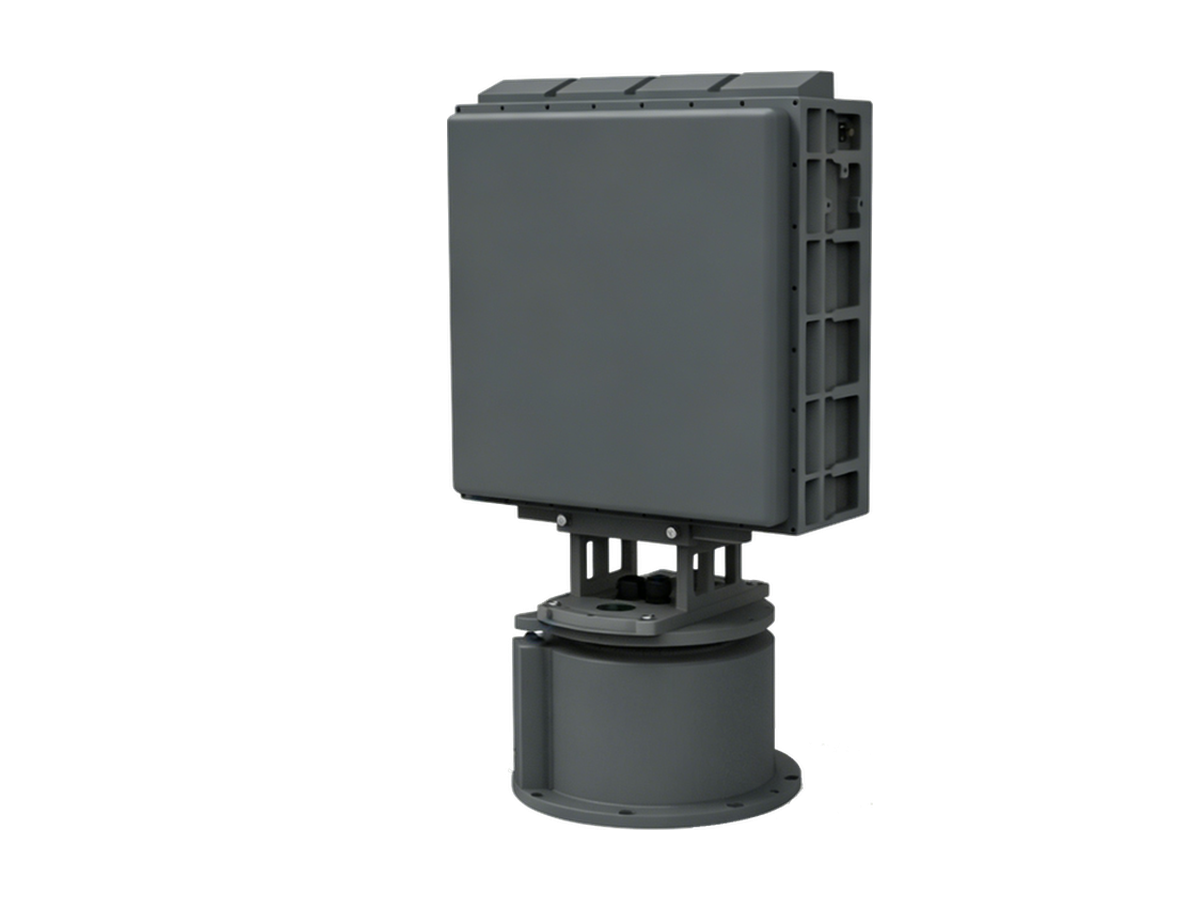
CR series low-altitude surveillance radars detect RCS 0.01 m² drones at 3–10 km and classify targets by micro-Doppler — every track outputs with target class and confidence.