
Drone detection radar is an advanced detection system mounted on unmanned aerial vehicle (UAV) platforms, offering flexible deployment and multi-altitude operation capabilities. It is widely used in information gathering, area monitoring, security protection, and other fields. This system not only significantly improves operational efficiency and reduces costs but also plays a vital role in various critical scenarios such as environmental protection, resource management, and public safety.
Core Functions of Drone Detection Radar
Drone detection radar primarily offers four core functions: target search, detection, tracking, and identification. It efficiently performs the following monitoring tasks:
- Natural Resource Monitoring: Including water resource surveys, wildlife tracking, and forest fire warnings
- Environmental Monitoring: Covering water quality assessment and groundwater pollution detection
- Security Surveillance: Identifying human activities such as illegal mining, theft, and robbery
System Composition and Working Principle
The drone detection radar mainly consists of the following four core components:
- Transmitter: Emits low-power electromagnetic waves to detect surrounding objects
- Receiver: Captures signals reflected by targets and converts them into processable data
- Controller: Coordinates system operations and processes raw signals into usable information
- Display Unit: Visually presents detection results to assist users in analysis and decision-making
Usage Guidelines and Precautions
1. Emphasize Pre-Operation Debugging
Before use, conduct comprehensive debugging of the drone detection radar, focusing on the power system, sensors, and detector status to ensure normal operation.
2. Plan Flight Routes and Detection Modes Scientifically
Route selection should comprehensively consider terrain, coverage area, and meteorological conditions. Choose appropriate operating modes, such as low-altitude photography or radar detection, based on mission requirements.
3. Leverage Technical Advantages Fully
Make full use of its low cost, high precision, wide coverage, and high flexibility to significantly enhance detection efficiency and data reliability.
4. Establish Regular Inspection Mechanisms
Regularly inspect the device’s exterior and internal components (e.g., power supply and sensors) to minimize failure risks and ensure long-term stable operation.
Application Value and Future Development
As an important representative of modern detection technology, drone detection radar not only significantly improves detection efficiency but also provides innovative solutions for military, scientific research, and civilian applications. Its widespread use continues to contribute to global security and sustainable development.
In practical use, it is essential to understand the terrain characteristics of the operational area in advance and strictly comply with local laws and regulations to ensure compliant operations and avoid unnecessary interference with people and the environment. Attention should also be paid to equipment maintenance and careful data interpretation, so that the performance advantages of the radar translate into successful, high-quality monitoring missions.
Further Reading
- Robin Radar: Radar Security Systems - How modern drone detection radar combines 3D coverage, micro-Doppler classification, and fast update rates.
- arXiv: Radar and Acoustic Sensor Fusion Using a Transformer Encoder for Robust Drone Detection and Classification - Research example of sensor-fusion and machine-learning techniques that improve detection efficiency.
- How Drone Detection Systems Work
- Drone Detection Radar: Comprehensive Technical Guide
- What is Detection Range?
- Drone Detection vs Drone Tracking
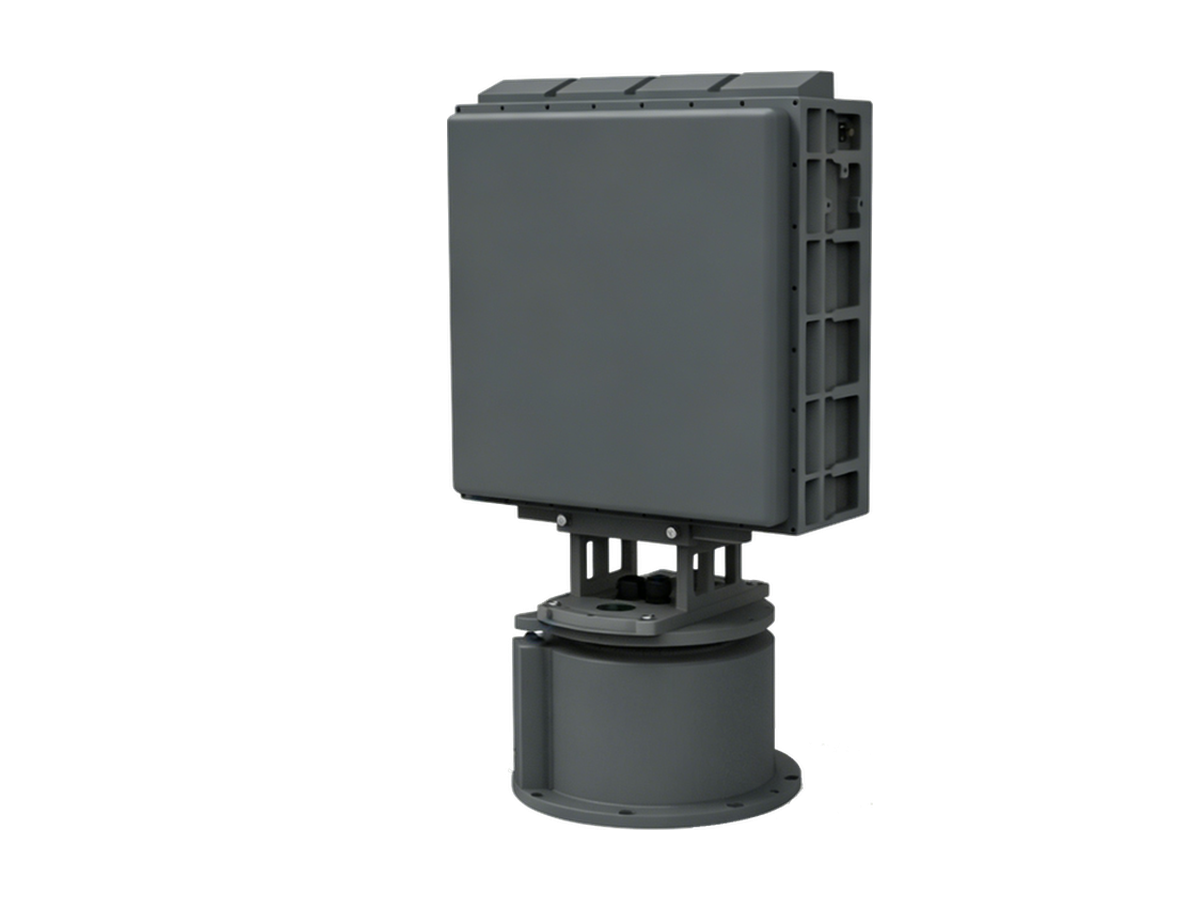
Need Counter-Drone Radar for Your Site?
CR series low-altitude surveillance radars detect RCS 0.01 m² drones at 3–10 km and classify targets by micro-Doppler — every track outputs with target class and confidence.