
Detailed Explanation of Key Radar Performance Parameters: Optimizing Observation and Data Processing Capabilities
The performance of a radar system directly affects its ability to detect, track, and identify targets. This article will delve into five key parameters to provide a detailed analysis of the core performance metrics of radar systems, helping readers understand how to enhance radar observation and data processing capabilities.
1. Observation Airspace
The observation airspace of a radar includes elements such as azimuth, elevation angle, maximum detection altitude, maximum operating range, and minimum operating range. The size of the airspace primarily depends on the radar’s radiation energy—the higher the energy, the broader the detectable airspace and the stronger the coverage capability.
2. Observation Time and Data Rate
Observation time refers to the time required for a radar to complete one full airspace scan. Its reciprocal is the search data rate, which is used to evaluate search efficiency. The tracking interval, on the other hand, refers to the time between two consecutive tracking actions for the same target. Its reciprocal is called the tracking data rate, which directly impacts the real-time performance and data accuracy of target tracking.
3. Measurement Accuracy
Measurement accuracy describes the deviation between the target coordinates obtained by the radar and the actual position, i.e., the measurement error. High measurement accuracy significantly improves the reliability of target positioning and tracking, making it a crucial metric for evaluating radar performance.
4. Resolution
Resolution refers to the radar’s ability to distinguish between multiple adjacent point targets in space. Higher resolution effectively prevents target confusion and enhances target identification and processing performance in dense or complex environments.
5. Anti-Jamming Capability
Anti-jamming capability is a key performance metric that enables a radar to effectively detect targets and obtain critical parameters even in jamming environments. Strong anti-jamming capability ensures stable and reliable operation of the radar in complex electromagnetic environments.
Summary
The core tactical metrics of radar systems encompass observation airspace, data rate, measurement accuracy, resolution, and anti-jamming capability, among others. By deeply understanding and optimizing these parameters, the overall performance and application effectiveness of radar systems can be significantly enhanced, providing a solid foundation for modern defense and security.
Further Reading
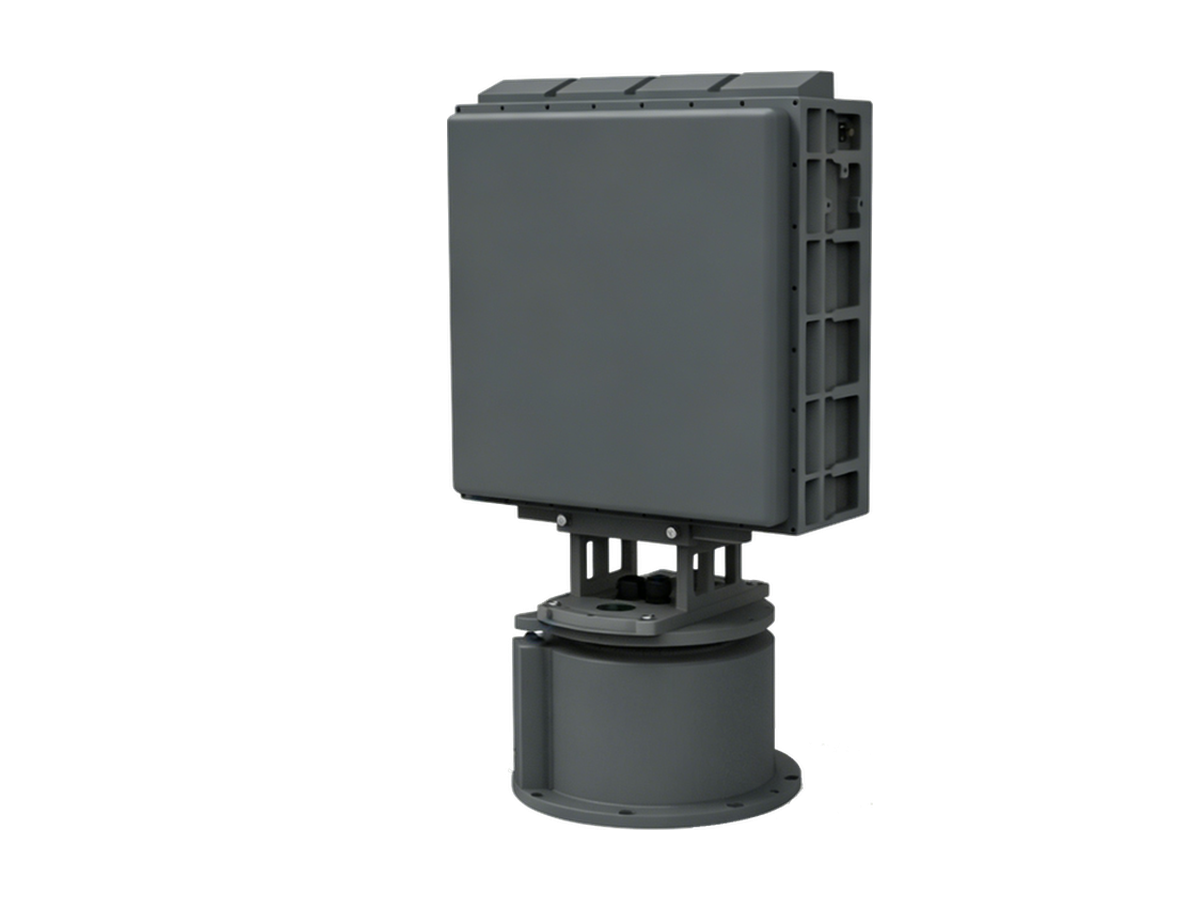
Need Counter-Drone Radar for Your Site?
CR series low-altitude surveillance radars detect RCS 0.01 m² drones at 3–10 km and classify targets by micro-Doppler — every track outputs with target class and confidence.