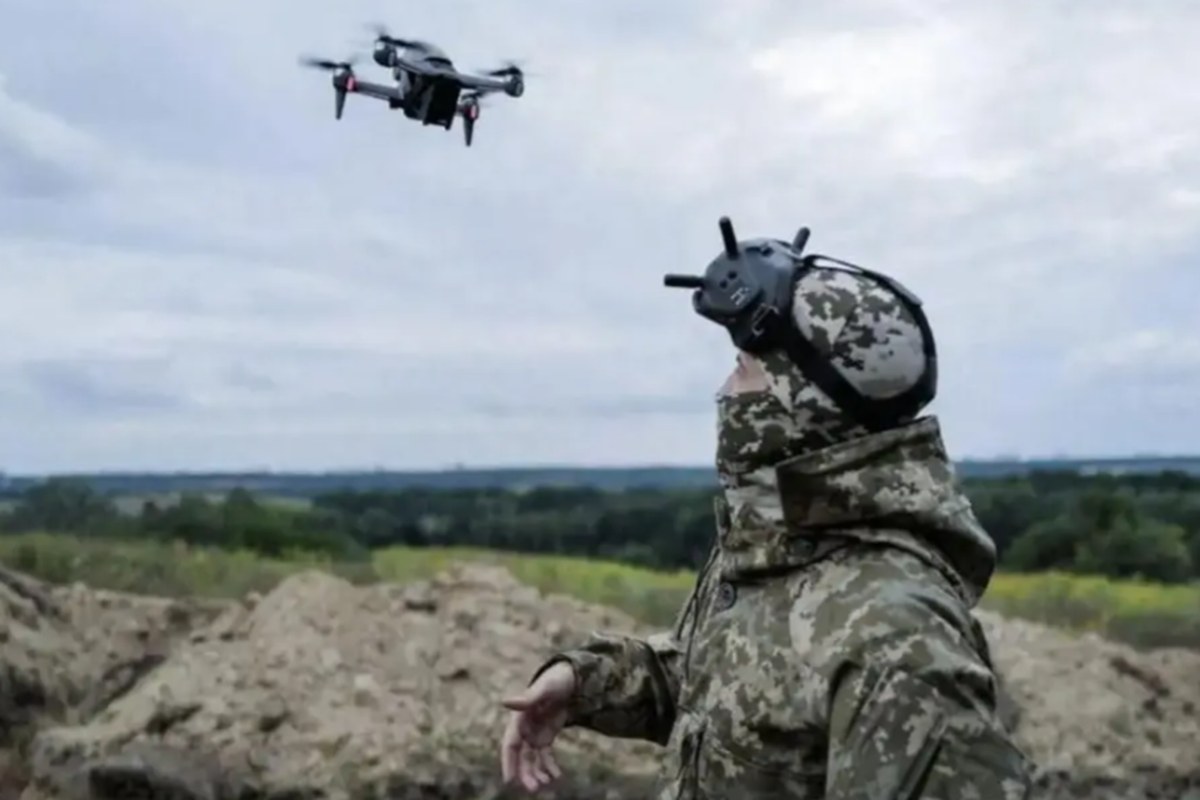
When evaluating counter-UAS radars, most buyers instinctively compare equipment quotes. That is understandable, but it is also where projects go wrong: the radar unit’s purchase price is often only the tip of the iceberg. What really shapes the long-term budget is the construction, integration, acceptance, operations and retirement cost that follows.
Total cost of ownership (TCO) puts every expense from selection to retirement into a single framework. This article breaks down the components of TCO from the buyer’s perspective and gives practical ways to write it into tender requirements.
Why the Purchase Price Is Only the Tip of the Iceberg
A counter-UAS radar is not an appliance you plug in and use. It has to be fixed to a mast or rooftop, connected to power and network, integrated with the command platform and electro-optical sensors, put through acceptance testing, staffed and maintained, calibrated and upgraded on schedule, and eventually refreshed or retired.
Any one of these items left out of the plan becomes an unbudgeted expense later. A common outcome: the system looked cheap at purchase, but two years in, the accumulated cost of operations, spares and software services has overtaken the hardware itself. The sensible approach is to compare options with a TCO framework at the selection stage, not to compare unit prices alone.
One-Time Costs: From Equipment to Acceptance
The one-time investment during project delivery typically includes the following items.
Equipment and initial spares: the radar unit, antenna, mounts, cables, enclosures and the initial spares package delivered with the system. Confirm whether the quote covers installation materials, transport and insurance.
Site survey and engineering design: coverage analysis, clutter assessment, siting, and power and network routing design. Complex sites may also need electromagnetic environment testing. This part is not expensive, but it determines whether everything that follows goes smoothly.
Installation and construction: procurement and erection of masts or mounts, foundation work, lightning protection and grounding, power cabling, network cabling, and the cost of working at height. On rooftops, coastal sites or high lightning-strike regions, this can approach or even exceed a significant share of the equipment price.
System integration and commissioning: connecting the radar to the C2 platform, cueing calibration with EO/IR sensors, interface development with existing security platforms, and configuring alert zones and response workflows. Integration effort depends on how open the existing systems are, and it is one of the areas where quotes differ the most.
Acceptance testing: factory acceptance testing (FAT), site acceptance testing (SAT), live target flight tests and the acceptance report. Real target flights involve airspace coordination and drone hire, and the cost should not be overlooked.
Training: operator training and maintainer training, including initial courses and refresher arrangements when staff rotate.
Recurring Costs: Operations Are the Real Weight
Once the system is in service, recurring expenses start to accumulate, and this is often the largest part of TCO.
Operations staffing: the human effort for console monitoring, routine inspection and alert handling. Less automated systems need more people watching screens, and labor cost rises accordingly.
Periodic calibration and maintenance: scheduled performance calibration, mechanical inspection, corrosion protection and software health checks. Maintenance during the warranty period is normally covered by contract, but post-warranty rates need to be asked about up front.
Firmware and software upgrades: detection algorithm improvements, false-alarm library updates and platform software releases. Confirm whether upgrades are chargeable after the warranty, and how long the supplier commits to software support.
Power and communications: the year-round electricity for the radar and processing equipment, plus leased carrier links or satellite links. Single-unit consumption looks small, but across multiple sites and many years it becomes a steady expense.
Repair and spares inventory: post-warranty repair costs and the capital tied up in holding critical spares. Spares pricing, lead times and end-of-production risk should all be understood in advance.
Hidden Costs: Downtime Risk and Retirement
Some costs are hard to put on a quotation, but they are real.
Downtime risk cost: while a radar is down for repair, the protected area has no detection coverage. For high-risk sites such as airports and energy facilities, that exposure is itself a cost. Evaluation should look at mean time between failures, mean time to repair and the supplier’s response-time commitments.
Technology refresh cost: threats evolve quickly, and a few years in, software upgrades or hardware replacement may be needed to handle new targets. Understanding the supplier’s product roadmap and legacy-model support policy reduces the chance of being forced into an early refresh.
Retirement and disposal cost: when the equipment reaches end of life, dismantling, transport and compliant disposal also need budget, especially for large systems mounted on masts or buildings.
How to Write TCO into Tender Requirements
The TCO framework only has teeth when it lands in the procurement documents. The following moves are practical.
Require itemized quotations: have suppliers quote equipment, construction, integration, acceptance, training and first-year operations separately instead of one bundled price. Itemization exposes hidden costs and allows line-by-line comparison between proposals.
Fix post-warranty service rates: in the tender, require suppliers to state annual maintenance rates after the warranty, on-site service rates and a spares price list, with a cap on rate escalation.
Commit spares availability years: require a written commitment on how long critical spares will be supplied after production ends, and a maximum lead time for critical spares.
Define the software support period: state the support years for firmware and platform software, and whether upgrades within the support period are chargeable.
Unify the TCO calculation basis: give every bidder the same TCO worksheet with common assumptions on service life, site count, labor rates and electricity prices, so each option is costed over five to eight years on the same basis. This prevents the pattern of winning on a low bid and recovering margin through operating charges later.
Tie payment milestones to acceptance: link a portion of the equipment payment to passing SAT and trial-run performance, so the supplier stays accountable for real-world availability.
Warning Signs in a Quote
The following usually mean TCO has not been thought through: the quote covers hardware only, with installation and integration “to be negotiated”; operating costs are never mentioned; spares pricing and lead times have no written commitment; the software upgrade policy is vague; post-warranty service rates are refused in advance; acceptance criteria have no quantified metrics. These signals are not necessarily bad faith, but they mean a higher probability of unbudgeted expense later.
Conclusion
The total lifecycle cost of a counter-UAS radar goes far beyond the number on the equipment quotation. A complete TCO covers equipment and spares, survey and design, installation and construction, system integration, acceptance testing, training, operations staffing, calibration and maintenance, software upgrades, power and communications, spares inventory, downtime risk and final disposal.
For buyers, the most practical step is to institutionalize the TCO framework at the tender stage: require itemized quotes, lock in post-warranty rates, commit spares and software support years, and have every candidate option costed over multiple years under the same assumptions. That discipline buys a better long-term system than simply pushing the purchase price down.
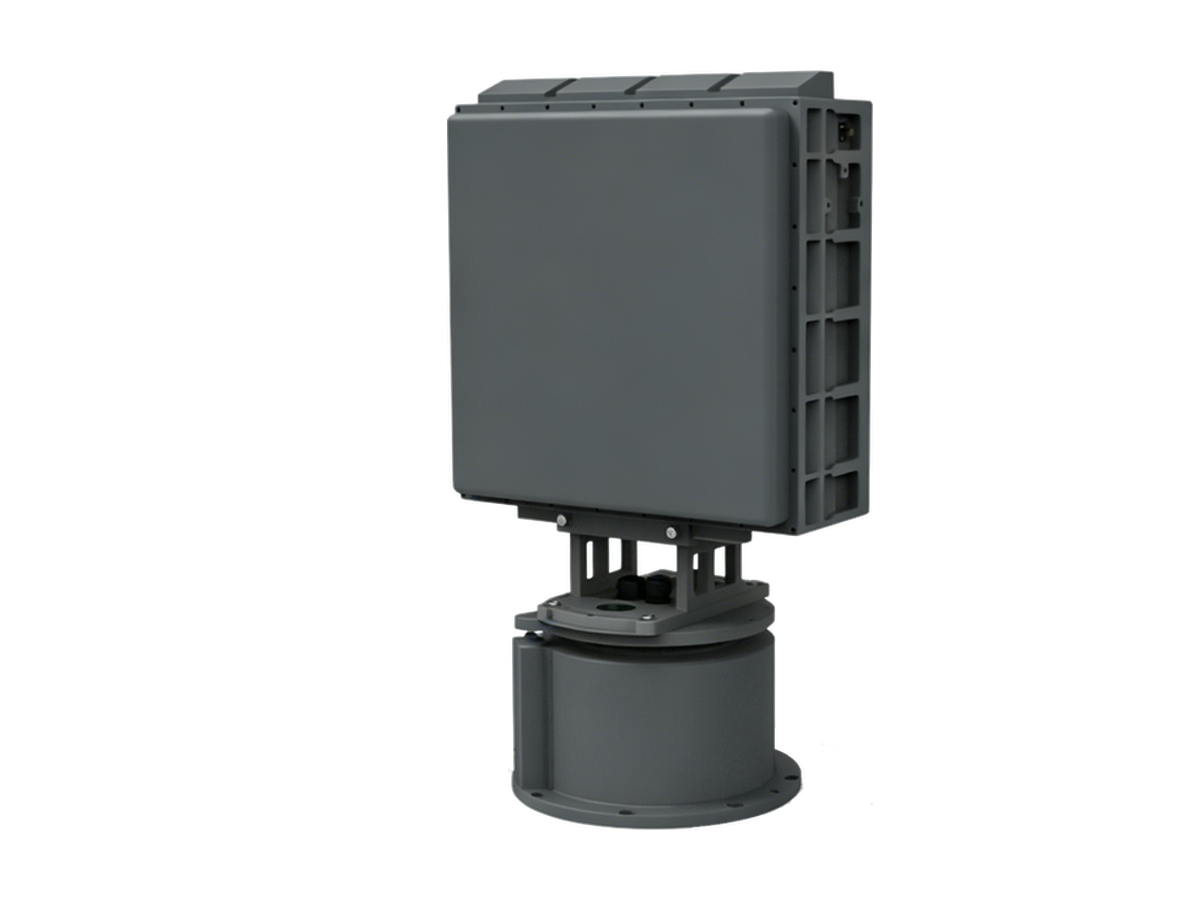
Need Counter-Drone Radar for Your Site?
CR series low-altitude surveillance radars detect RCS 0.01 m² drones at 3–10 km and classify targets by micro-Doppler — every track outputs with target class and confidence.