Dual-use radar export compliance is the process of deciding whether a radar-related item, technology, software, service, or transaction can be exported, transferred, demonstrated, supported, or re-exported under applicable export-control rules. It matters because many radar systems have legitimate civil uses and potential military, security, surveillance, or sensitive technical uses.
This article is a general compliance overview, not legal advice and not a licensing conclusion. Export-control rules change by jurisdiction and over time. Real projects should be reviewed by the exporter, buyer, compliance team, local counsel, and competent authority where required.
What “Dual-Use” Means
Dual-use items are items that can have both civil and military or sensitive uses. In radar projects, the item may be a physical radar unit, but the review does not stop there.
A compliance review may cover:
- radar hardware and modules;
- antennas, transmitters, receivers, and signal processors;
- control software and firmware;
- source code, algorithms, test tools, and calibration files;
- technical drawings, datasheets, manuals, and training material;
- remote commissioning, debugging, and maintenance support;
- integration into command platforms, EO/IR systems, RF sensors, or other networks.
The same radar marketed for civil security may receive different treatment depending on technical parameters, configuration, destination, end user, and end use.
Product Name Is Not Enough
“Civil radar,” “security radar,” or “counter-UAS radar” is not a compliance classification. A product name helps describe market use, but export-control classification usually requires technical facts.
Relevant technical factors may include:
- frequency band, bandwidth, transmit power, and waveform;
- antenna gain, beam steering, scan pattern, and coverage;
- detection, tracking, height measurement, and target-processing capability;
- multi-target handling, track export, and cueing functions;
- encryption, data links, or network security functions;
- ruggedization, mobility, or integration with sensitive systems;
- software, technical data, and support scope.
This is why two radar products with similar public descriptions can require different compliance paths.
The Core Compliance Questions
A practical export review usually starts with a small set of questions:
- What exactly is being exported: hardware, software, technology, service, or all of them?
- Which jurisdiction’s rules apply?
- How is the item classified under the applicable control list?
- Where is it going?
- Who is the end user?
- What is the end use?
- Are any parties restricted, sanctioned, or high risk?
- Is a license, authorisation, license exception, or general authorisation available?
- Are there restrictions on re-export, resale, transfer, remote access, or technical support?
- What records must be kept?
The answers should be documented before quotation, shipment, demonstration, or technical-data transfer.
End User and End Use Are Central
End-user and end-use review is not paperwork decoration. It is often the heart of export compliance.
Key checks include:
- identity of the real end user;
- whether intermediaries, resellers, or integrators are involved;
- intended site and purpose;
- whether government, military, law-enforcement, border, airport, or critical-infrastructure users are involved;
- whether the item may be used for restricted military, WMD, surveillance, or sanctioned activities;
- whether re-export or transfer to another party is planned;
- whether the buyer can provide credible assurances.
If the end user or end use is unclear, the compliance risk increases. A responsible supplier should pause rather than rely on vague statements.
Technology Transfer Can Happen Without Shipping Hardware
Export compliance is not limited to boxes crossing a border. Technology transfer may occur through email, cloud storage, remote login, source-code sharing, online training, field support, or access by foreign persons.
For radar projects, sensitive transfers may include:
- detailed design files;
- waveform descriptions;
- signal-processing algorithms;
- firmware images or source code;
- calibration and test procedures;
- troubleshooting logs containing technical detail;
- remote access to engineering systems;
- training that enables development, production, or advanced maintenance.
Teams should decide early what information can be shared with sales channels, integrators, demo teams, and customers.
Licensing and Authorisations
If an item or transaction is controlled, an export license or authorisation may be required. Some jurisdictions also provide general authorisations or license exceptions for defined items, destinations, users, or purposes, but these are conditional and must be checked carefully.
Important points:
- classification is not the same as permission;
- an item can be classified and still not need a license for some destinations;
- an item can be unlisted but still require review under end-use or sanctions rules;
- temporary export for demos, exhibitions, repair, or testing may still need review;
- remote support after shipment may require separate controls;
- approval can take time and is not guaranteed.
Compliance should be planned before production and shipping schedules are promised.
Destination Rules and Local Permissions
Export compliance does not replace import and deployment compliance. The destination country may have its own rules for customs, radio spectrum, equipment approval, data security, privacy, security contracting, and critical-infrastructure operation.
For radar, local questions often include:
- Is the operating frequency permitted?
- Is type approval or radio licensing required?
- Are there limits on transmit power, site height, or emissions?
- Can tracks, video, or event records be stored or transferred?
- Is the buyer allowed to operate a counter-UAS or surveillance system?
- Are local integrators, permits, or government approvals required?
The export path and destination deployment path should be checked together.
Documentation Buyers and Suppliers Should Prepare
A strong compliance file usually includes:
- product model, configuration, and version;
- technical datasheet and controlled-parameter summary;
- software, firmware, accessory, and service scope;
- destination and shipping route;
- end-user identity and end-use statement;
- contract, invoice, purchase order, and delivery terms;
- distributor or integrator details;
- re-export, resale, and transfer undertakings where required;
- license or authorisation records;
- screening results and decision notes;
- final shipment and support records.
Good documentation reduces delay, but it does not guarantee approval. It makes the review more transparent and defensible.
What Responsible Teams Avoid
Avoid practices such as:
- promising exportability before classification and screening;
- describing a sensitive project as “civil” without evidence;
- hiding the real end user behind a reseller;
- routing through a third country to avoid controls;
- shipping demo equipment without checking temporary export rules;
- sharing detailed technical files with unapproved parties;
- treating remote support as outside export control;
- continuing a transaction after red flags appear.
Compliance risk usually grows when a transaction depends on incomplete information.
Further Reading
For real projects, use current official sources. Useful starting points include:
- U.S. Bureau of Industry and Security: Dual Use Export Licenses
- European Commission: Exporting dual-use items
- UK GOV.UK: Strategic export control lists
- State Council of China: Regulations on Export Control of Dual-Use Items
Conclusion
Dual-use radar export compliance is a project process, not a label. It connects product classification, technical scope, destination, end user, end use, licensing, documentation, and post-delivery support.
For suppliers, the safest approach is to review compliance before quoting or shipping. For buyers, the best way to keep the project moving is to provide clear end-user, end-use, site, import, and permit information early. When the compliance path is visible, radar projects become easier to schedule, document, and deliver responsibly.
Need Counter-Drone Radar for Your Site?
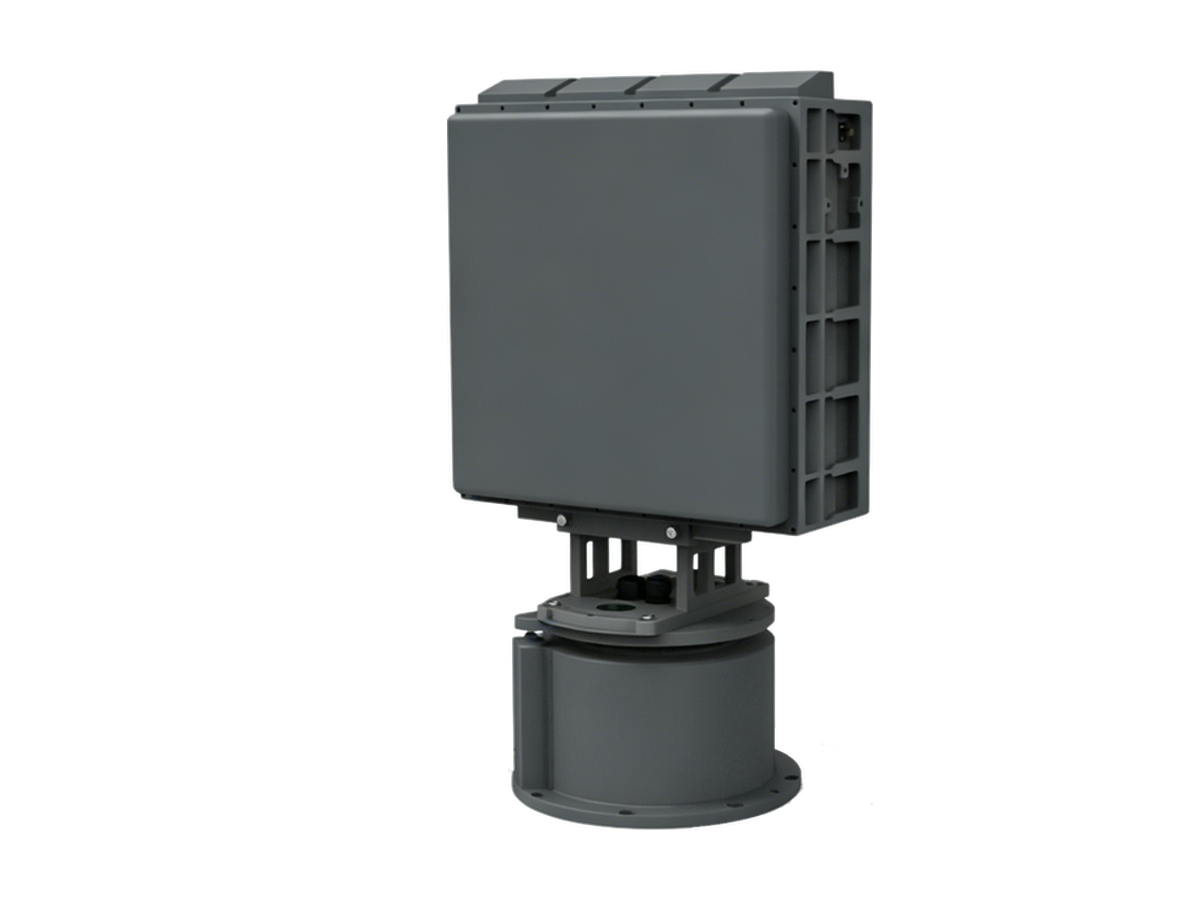
CR series low-altitude surveillance radars detect RCS 0.01 m² drones at 3–10 km and classify targets by micro-Doppler — every track outputs with target class and confidence.